
First Fix vs Second Fix Carpentry in Exeter: What’s the Difference?
If you have ever spoken to a carpenter or builder about a renovation, extension or new build, you may have heard the terms “first fix” and “second fix”.
To someone outside the trade, they can sound unnecessarily technical. In reality, the difference is quite simple.
First fix is largely about creating the structure and preparing the building for the work that follows. Second fix is when much of the visible carpentry is installed and the space starts to feel like a finished home.
Both stages need to be done properly. A beautifully fitted door cannot compensate for an opening that was framed incorrectly in the first place, while excellent structural carpentry can still be let down by rushed finishing work.
Here is what homeowners in Exeter should know.
What Is First Fix Carpentry?
First fix carpentry takes place during the earlier stages of construction, usually before plastering and much of the decorative work begins.
It includes many of the timber elements that eventually become hidden inside the finished building.
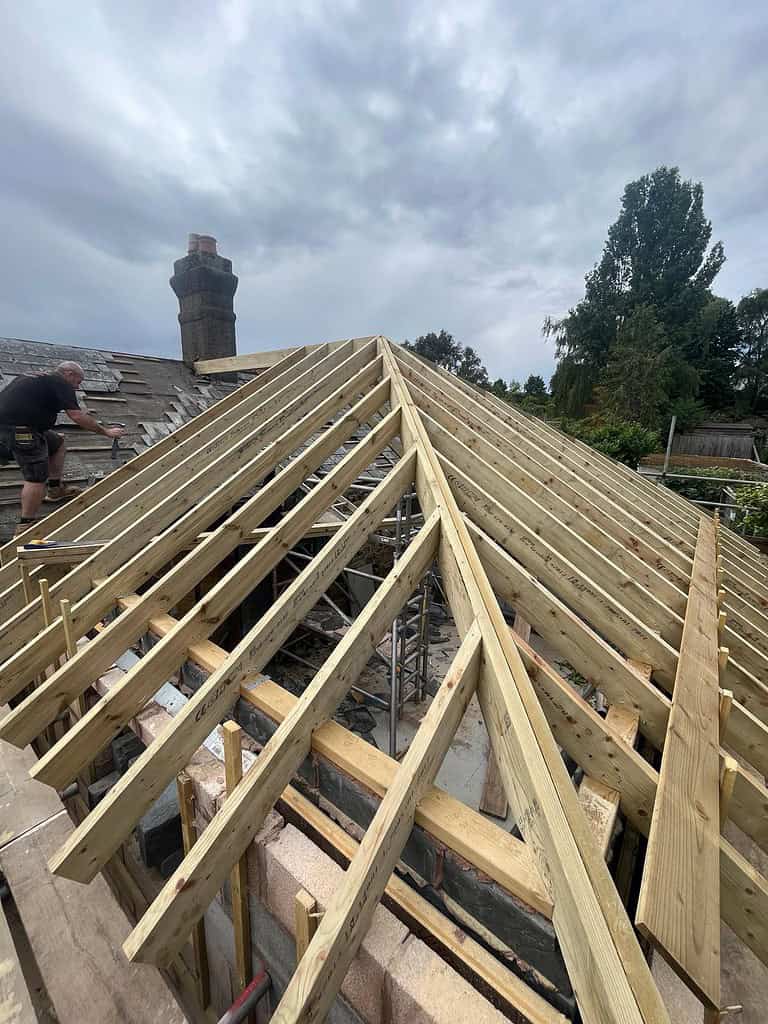
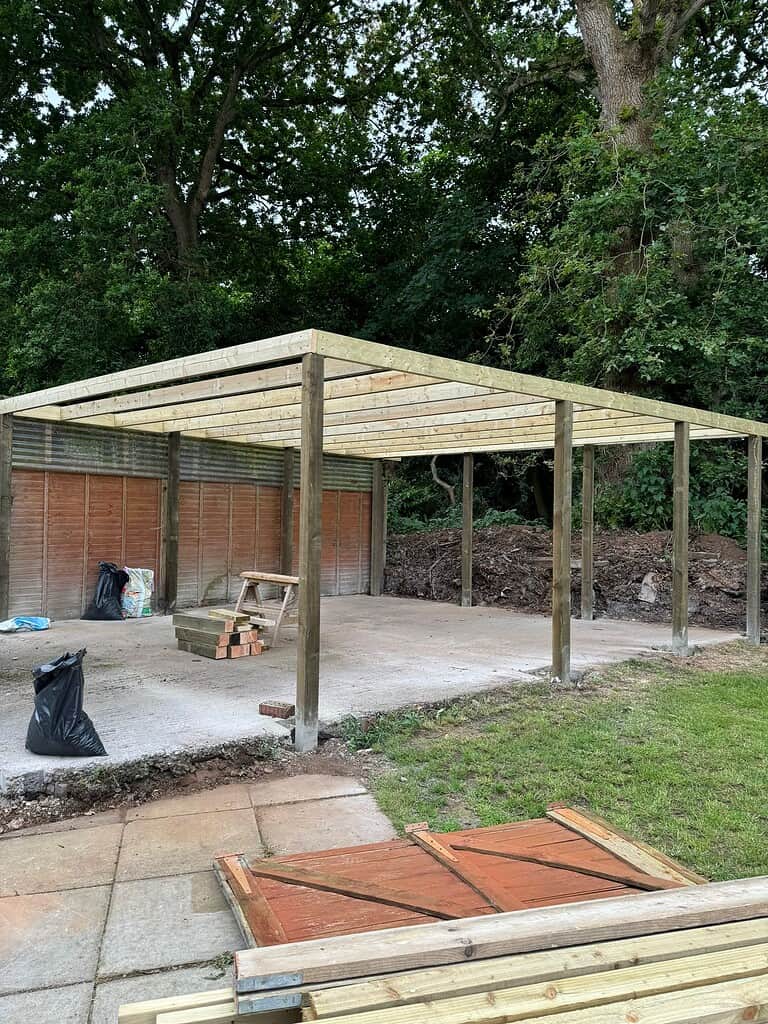
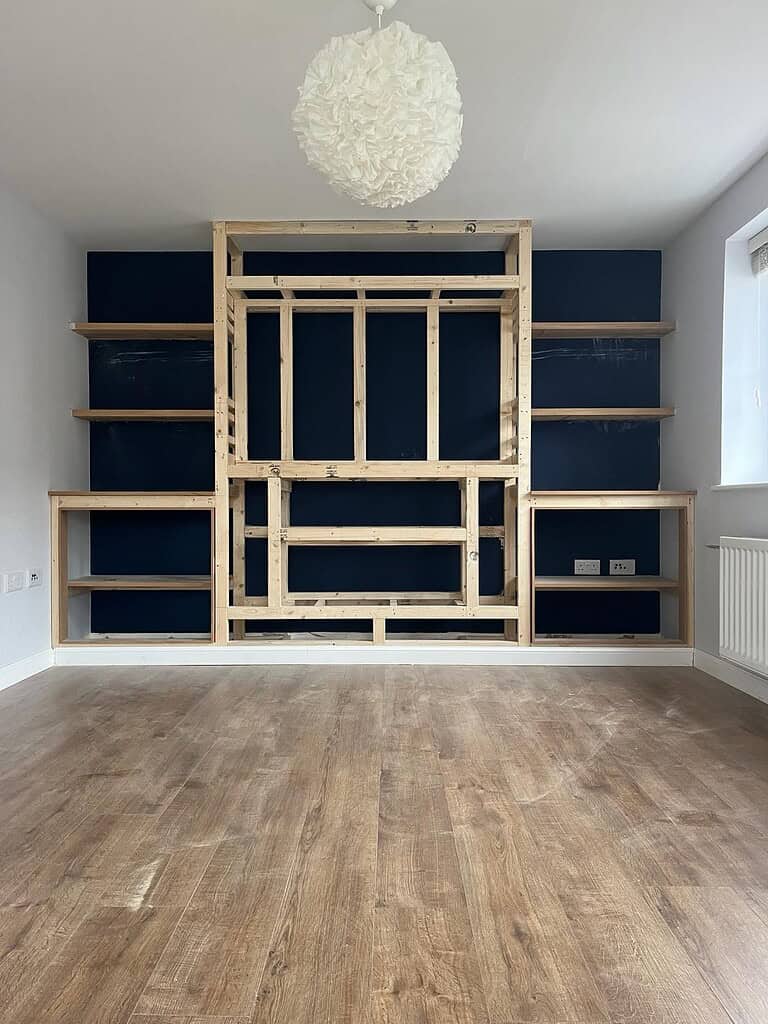
Typical first fix carpentry can include timber stud walls, floor joists, roof structures, door frames and structural timberwork.
For a larger property renovation, this might mean creating a new internal layout using timber partitions. On an extension, the carpentry work could include floors, roof structures and preparation for doors or other internal features.
Although much of this work eventually disappears behind plasterboard and finishes, accuracy at this stage is incredibly important.
If walls are not straight, openings are wrong or levels are inconsistent, those problems tend to show themselves later.
Why First Fix Matters So Much
Good first fix carpentry creates a solid foundation for every trade that follows.
Plasterers need straight walls. Door installers need correctly sized openings. Flooring relies on suitable levels and properly constructed floors. Kitchen fitters need walls and structures that allow units to be installed accurately.
Getting the timberwork right early can prevent a lot of unnecessary adjustment later in the project.
This is particularly relevant during renovations of older Exeter properties. Homes around St Thomas, Heavitree, St Leonard’s and other established parts of the city can have walls, floors and roof structures that have changed over many decades.
An experienced carpenter needs to work with the existing building rather than simply assuming everything is perfectly square.
JB Carpentry & Construction provides carpentry services across Exeter covering both structural first fix work and detailed finishing carpentry.
What Is Second Fix Carpentry?
Second fix happens later.
Once the main structure is complete and plastering has taken place, the carpenter returns to install many of the features you actually see and use every day.
This can include internal doors, skirting boards, architraves, window boards, stair components, cabinetry and other finishing work.
It is often the stage where homeowners really begin to see the room come together.
A new doorway suddenly looks finished once the architrave is fitted. Fresh skirting creates a clean line around the room. Properly hung internal doors make the entire property feel more polished.
These details may seem small individually, but together they have a huge influence on the finished appearance.
Second Fix Is Where Precision Shows
Finishing carpentry leaves nowhere to hide.
Uneven mitres, poorly fitted skirting or doors that catch against their frames are noticed every day.
This is why second fix should not be treated as the quick final stage after the “important” construction work has been completed. It requires its own level of skill and patience.
For example, fitting internal doors properly involves much more than attaching hinges. The door needs to sit correctly within the opening, move freely and meet the frame neatly.
Likewise, skirting and architraves need to follow the shape of the property while still creating clean, consistent lines.
You can see this same level of detail in specialist work such as staircases and balustrades, where structural strength and the finished appearance have to work together.
What Happens Between First and Second Fix?
Carpentry is only one part of a larger building programme.
Once first fix work is complete, other trades can usually progress with plumbing, electrics, insulation, plasterboard and plastering.
The carpenter then returns at the appropriate stage for second fix.
That order matters. Installing finishing timberwork too early risks damage and can make life harder for other trades.
On larger renovations, extensions and conversions, proper scheduling is one of the reasons it helps to have the overall job managed rather than arranging every trade separately.
JB’s house extension service covers the project from structural work through to the internal finish, allowing these different stages to be coordinated properly.
Where Do Structural Alterations Fit In?
Some renovation projects involve more than timber stud walls.
Removing walls, forming new openings or altering the structure of a property may require professional structural input and Building Regulations approval.
A wall should never simply be assumed to be non-load-bearing because of its appearance. Internal walls can support floors, roofs or other walls above them.
The Planning Portal guidance on internal walls explains the Building Regulations considerations homeowners should be aware of.
For the customer, the important thing is that these decisions are made before demolition starts.
First Fix and Second Fix in Extensions and Loft Conversions
Both stages become especially important when creating completely new living space.
Take a loft conversion. First fix carpentry could involve new floor structures, roof alterations, stud walls and the formation of the staircase opening.
Later, second fix work completes the visible details with doors, skirting, storage and staircase finishes.
The same principle applies to an extension.
The structural work creates the room, but it is the second fix that helps the new space feel connected to the rest of the house.
Matching details such as doors, trims and skirting can stop an extension looking like a separate addition and make it feel like a natural part of the original property.
Do You Need a First Fix or Second Fix Carpenter?
Sometimes you only need one stage.
If you are replacing internal doors or upgrading skirting throughout the house, that is predominantly second fix carpentry.
If you are building new stud walls or carrying out structural timber work, you are looking more towards first fix.
For renovations, conversions and extensions, you will often need both.
Working with the same experienced carpentry team across the project can help maintain consistency from the structure through to the final finish.
Quality Carpentry From the Structure to the Finish
The best carpentry is not always the work that immediately catches your eye.
Sometimes it is the timber hidden behind a finished wall, installed accurately enough that every stage after it went smoothly.
Elsewhere, it is the perfectly fitted door or crisp line of new skirting that you notice every time you walk into a room.
At JB Carpentry & Construction, we handle both first fix and second fix carpentry for projects across Exeter, Exmouth and the surrounding areas.
Whether you need a carpenter for a standalone job or you are planning a larger renovation, extension or conversion, get in touch to talk through the work and arrange a quotation.

Do you need help from our experts?
Give us a call today to get expert advice and support from our experienced team.
Start a conversation with our experts today.