
For many homeowners in Exeter, extending a home is an exciting way to create more space without the stress of moving. Whether you need a larger kitchen, an extra bedroom or a more open layout for family living, a well-planned extension can completely transform how your home works.
That said, a successful extension doesn’t start with building work. It starts with careful planning. From understanding what’s possible with your property to setting realistic budgets and timelines, the early stages are just as important as the construction itself.
If you’re considering a home extension in Exeter, here’s a straightforward guide to help you plan your project with confidence.
Start With a Clear Goal
Before speaking to builders or designers, it helps to think about what you want your extension to achieve.
Are you trying to create more living space for a growing family? Do you want a larger kitchen or open-plan living area? Are you adding an extra bedroom or a home office?
Being clear about the purpose of the extension helps guide decisions about layout, size and design. It also makes conversations with professionals much easier, as they can suggest solutions that match your priorities.
Consider the Type of Extension
There are several types of home extensions commonly seen across Exeter. The best option will depend on your property and the space available.
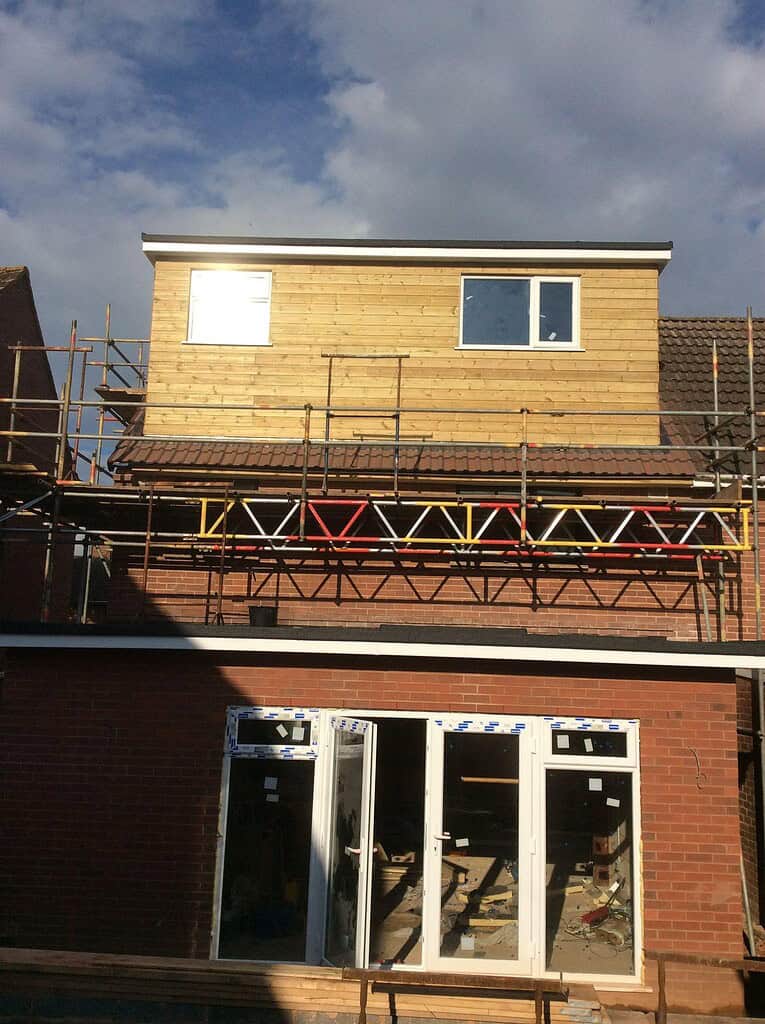
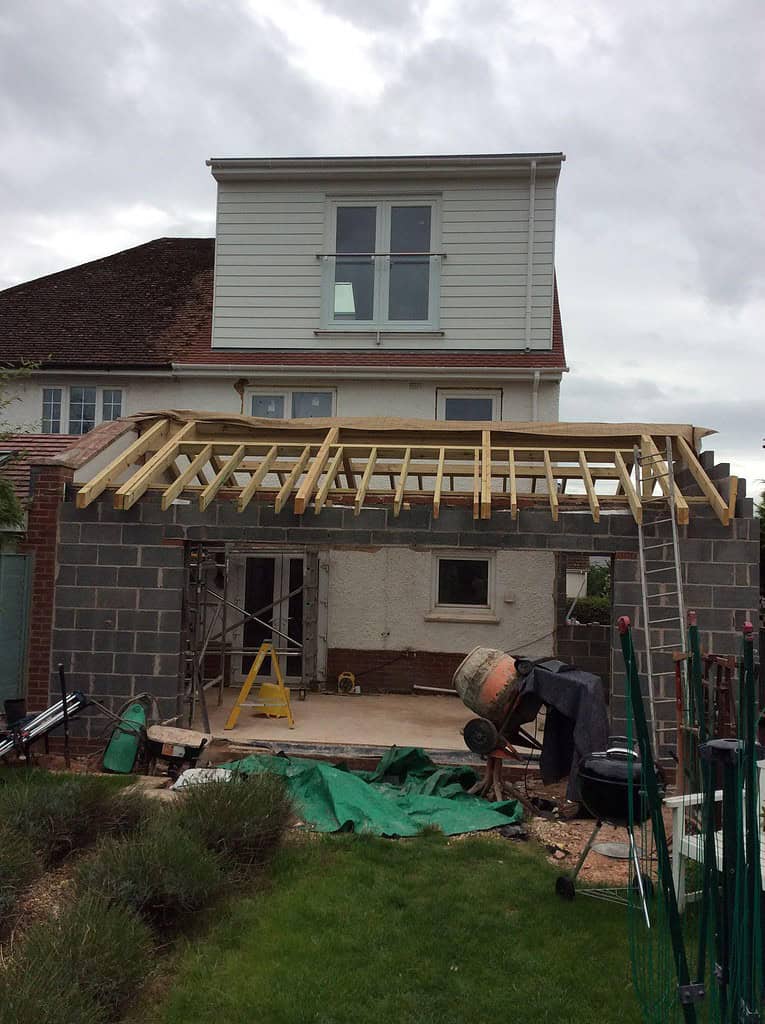
Rear extensions are one of the most popular choices, often used to expand kitchens or create open-plan living areas that connect with the garden.
Side extensions can work well on properties with unused space alongside the house. They are often used for utility rooms, garages or larger kitchen areas.
Loft conversions are another option if expanding upwards is more practical than extending outward.
Every home is different, so the right solution will depend on layout, planning restrictions and how you want to use the space.

Think About Layout and Flow
A good extension isn’t just about adding square footage. It should also improve the overall flow of your home.
Many older Exeter homes have separate rooms that can feel disconnected. Extensions often provide an opportunity to open up spaces and create a more natural flow between kitchen, dining and living areas.
Careful planning at this stage ensures the extension feels like part of the original house rather than an afterthought.
Understand Planning Permission
Not all home extensions require full planning permission. In many cases, certain projects fall under permitted development rights, depending on the size and design of the extension.
However, rules can vary depending on the property type, location and surrounding buildings. Homes in conservation areas or listed buildings may require additional approvals.
Because of this, it’s always best to check local planning guidelines early in the process to avoid delays later.
Set a Realistic Budget
Budgeting is one of the most important parts of planning a home extension. Costs can vary depending on size, materials, structural work and the complexity of the design.
When setting your budget, it’s important to consider:
- Construction work
- Materials and finishes
- Structural carpentry
- Plumbing and electrics
- Interior finishing work
Allowing some flexibility in the budget also helps manage unexpected discoveries once work begins, particularly in older properties.
Choose the Right Team
The team you choose will have a huge influence on how smoothly your project runs.
Working with experienced professionals who understand both carpentry and construction can make the process far more straightforward. Clear communication, realistic timelines and careful workmanship are essential when extending a home.
A reliable team will help guide you through each stage of the project, from early planning through to the final details.
Think About the Long-Term Value
A well-designed extension doesn’t just improve daily living. It can also increase the value of your property.
In Exeter’s property market, additional living space, open-plan kitchens and flexible family areas are particularly attractive to future buyers.
By focusing on quality materials, thoughtful design and strong workmanship, an extension becomes a long-term investment in your home.
Why Local Experience Matters
Exeter has a wide mix of property styles, from Victorian terraces to modern developments and countryside homes nearby. Each type of property brings its own structural considerations.
Older homes may require careful structural work to maintain character, while newer properties may offer more flexibility in layout changes.
Working with a local team who understands these property styles helps ensure your extension fits naturally with the existing building.
Final Thoughts
Planning a home extension is an exciting step, but the key to success is preparation. Taking the time to define your goals, understand planning requirements and work with experienced professionals will make the entire process much smoother.
With the right approach, a well-planned extension can completely transform your home, giving you more space, better functionality and long-term value.
If you’re considering extending your home in Exeter and want practical advice on what’s possible, it’s always worth speaking with a team who understands both the design and construction side of the process.

Do you need help from our experts?
Give us a call today to get expert advice and support from our experienced team.
Start a conversation with our experts today.